WA6BTK
Well-known member
- Joined
- Sep 16, 2011
- Messages
- 64
- Fluid Motion Model
- R-29 S
- Vessel Name
- Surprise
Peter,
I wanted to add a few more things to this discussion.
It is advisable to use some seizing wire and secure the clevis pin on the shackle that your rode is attached to at the shank. Those pins have been known to unscrew, leaving the boat unanchored.
I have configured a short length (12 inches) of 3/8 inch line to serve as a lanyard. Put a bronze or stainless hook or clip at one end and tie off the other end to the cleat next to the windlass. If you tie a simple bowline at the base of that cleat, your lanyard won't occupy needed space for rode, etc. The purpose of this lanyard is to keep the anchor in place on the bow roller, eliminating the chance for the chain or line to jump the windlass, allowing the anchor to start paying out as you are moving forward. It's easy to clip and undo as needed.
Be sure you have tied off the bitter end of your rode to something secure on the boat. Numerous stories exist of boaters being surprised to see their 200 feet of rode saying bye bye to the boat when it wasn't attached and the crew paying out the line lost his/her grip.
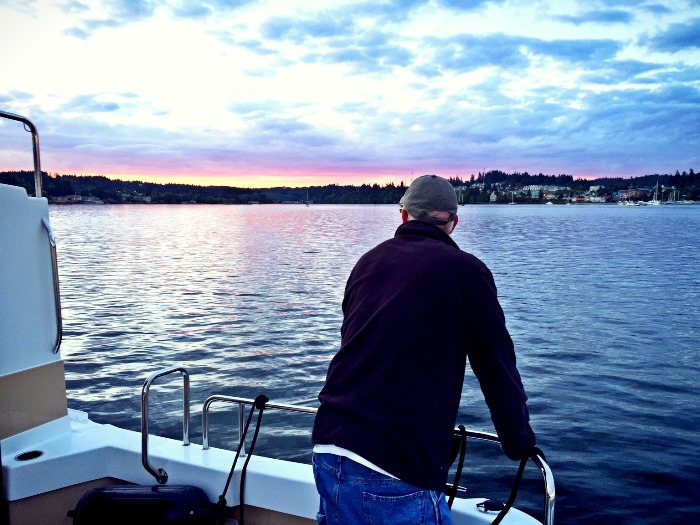
Lastly, I much prefer to be at the bow to pay out the anchor rode. By being up on the bow, I can unhook the lanyard, pay out the line, actually see the depth flags go by as the line is paid out, and I can tie off the rode as I'm setting the anchor. By not being at the bow, a person is trusting the windlass to take charge of the anchoring and windlasses have been known to do "runaways" or other times, slip.
Stu
I wanted to add a few more things to this discussion.
It is advisable to use some seizing wire and secure the clevis pin on the shackle that your rode is attached to at the shank. Those pins have been known to unscrew, leaving the boat unanchored.
I have configured a short length (12 inches) of 3/8 inch line to serve as a lanyard. Put a bronze or stainless hook or clip at one end and tie off the other end to the cleat next to the windlass. If you tie a simple bowline at the base of that cleat, your lanyard won't occupy needed space for rode, etc. The purpose of this lanyard is to keep the anchor in place on the bow roller, eliminating the chance for the chain or line to jump the windlass, allowing the anchor to start paying out as you are moving forward. It's easy to clip and undo as needed.
Be sure you have tied off the bitter end of your rode to something secure on the boat. Numerous stories exist of boaters being surprised to see their 200 feet of rode saying bye bye to the boat when it wasn't attached and the crew paying out the line lost his/her grip.
Lastly, I much prefer to be at the bow to pay out the anchor rode. By being up on the bow, I can unhook the lanyard, pay out the line, actually see the depth flags go by as the line is paid out, and I can tie off the rode as I'm setting the anchor. By not being at the bow, a person is trusting the windlass to take charge of the anchoring and windlasses have been known to do "runaways" or other times, slip.
Stu