baz":1h316xal said:
Scuffy":1h316xal said:
I had someone recommend using these impellers. They claim to be able to be run dry for 15 minutes without damage. I wondered if anyone here had any experience with them? I have filled out an information form looking for additional info about which to use in our D3. I'll ask the authorized Volvo Penta dealer what he thinks and how this might effect the engines warranty. He is a link if anyone is interested.
http://www.globecomposite.com/Marine_Products
D.D.
Hmmmm, 15 minutes... and then what ? Does this mean at 15:01 the impeller melts, disintegrates and flies into pieces ?
😱
My question here is....
if raw water to the impeller stops just how long will it be before the engine sensor kicks out an alarm ? I would hope it's less than 15 mins.
Your question I highlighted above has resulted in MANY discussions on Tugnuts about exhaust temp and cooling water flow sensors/alarms. The problem, in the standard set up, is that the NEXT thing to happen after your raw water flow stops is the engine will overheat. Or the exhaust melts and/or catches fire. The actual sequence of events depends some on your level of awareness. I don't watch my exhaust water flow much once I have started the engine and established that there IS cooling water flow (i.e., usual quantities of water being ejected with the exhaust gases).
Rather than the impeller stopping, it will likely continue running "dry" when something stops the flow of cooling water...a grocery bag, jelly fish, or seaweed gets sucked into the raw water intake effectively blocking it. If this happens while you are motoring away from the ramp at idle speeds, it may be 10-15 minutes before the engine overheats and gives you an alarm. By then, the raw water impeller will be shredded and its pieces sent downstream into the cooling system once raw water flow is re-started. If you were running faster when the blockage occurred, then presumably the overheat alarm would come on faster due to the higher engine speed. Nasty scenario.
Please realize this is the standard way of installing a marine engine; Ranger is using customary installation practice. It's up to the owner/operator to make it better if he/she so chooses.
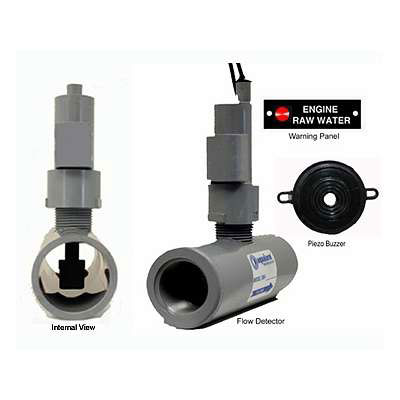
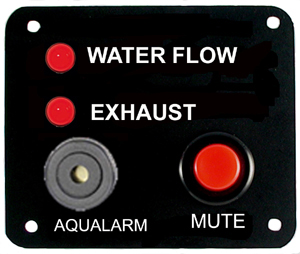
Aqualarm makes numerous sensors to address this situation. Most applicable are their cooling water flow sensors and exhaust temp alarms. Having both would be a "belt AND suspenders" approach for those so inclined. I'm not endorsing Aqualarm...there are other brands of sensors.
Another way to prolong the time your impeller can run dry, aside from using the GLOBE impeller, is to install a Speedseal product. Look here (
http://www.speedseal.com/speedseal.html) for information. Again, no material interest in this product, just sharing info about something useful.
That was the long answer to your question...The short answer, Barry, is that the same thing will happen as would have with your last boat.
dave