R23 OB F200 ECU Flash Upgrade Results

Craigmconrad

Well-known member
Joined
Dec 27, 2020
Messages
172
Fluid Motion Model
R-23 (Outboard)
Hull Identification Number
FMLT2320H920
Vessel Name
Touch & Go
MMSI Number
338383265
Third year on a 2020 R23, reading all the post about upgrading to the 250 or even the 300. Priced them both with a trade and figured it wasn't the right time yet to do. I explored NIZPRO, who advertises ECU Flashing for the F200, claims and increase of 34 HP, 12% increase in torque and 15% increase in fuel efficiency. So for $824.00, I shipped overnight to Rogue Custom Marine, who returned the ECU the following day. The owner, Sean, did a fantastic job of setting the expectations, stating it would not turn the 200 into a 250. Today, I spent 5 hrs running the boat and observed the following improvements; Increase of Max RPM of 200 (now 5825). RPM 4800, cruise 24 kts, 2.6 NMPG, an increase of 0.5. The biggest takeaway was the increase in the NMPG, before i would normally get 2.1 maybe 2.2 at cruise, now it's a solid 2.6.

Boat conditions ; Bottom Paint (slime buildup, no barnacles), Autoglide w/ drop fins, 60 gallons fuel, 14 gallons of water, and waste tank 1/2 full. Just me, but I weigh 270 lbs, average gear on board to include a 60 lb portable generator.

- Craig
 
I've been jonesing to do this, but was hoping to get some real-world results before biting the bullet. So thank you for sharing your experience!

I see you are getting about .5 nmpg better after the upgrade. Not as much as I'd hoped, but not shabby either. With the 17% increase in HP and 12% in torque, is your hole-shot noticeably better? I'm just over you, at 299.72 lbs :mrgreen: , and I certainly notice that the F200 seems bogged down when punching up out of the hole.
 
Brian98133":qb75zi64 said:
I've been jonesing to do this, but was hoping to get some real-world results before biting the bullet. So thank you for sharing your experience!

I see you are getting about .5 nmpg better after the upgrade. Not as much as I'd hoped, but not shabby either. With the 17% increase in HP and 12% in torque, is your hole-shot noticeably better? I'm just over you, at 299.72 lbs :mrgreen: , and I certainly notice that the F200 seems bogged down when punching up out of the hole.

Honestly, I haven't had a problem with the hole shot since adding the autoglide and drop fins. I'm not real aggressive, i just pop it up to 5000 rpm and pull it back to maintain 4700-4900 depending on sea state.
 
I wonder what in the fuel/air ratio curve is being changed to enable that performance. Slightly leaning the mixture in the higher rpm range?


Sent from my iPhone using Tapatalk
 
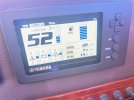
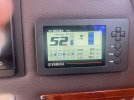
The sea trial of our 2017 R23 F200 ECU flash revealed similar results as Craig's. We appreciate the improved gas mileage the most. The before and after pictures were taken in almost the same boat conditions (slightly more fuel onboard in the "after").

Before At Cruise.jpegAfter At Cruise.jpeg
 
Last edited:
I'm not sure I get the math on fuel savings for my twin 300s. For the past 5 years, I purchased about 700 gallons per year @$5/g or $3500. If I save 15%, I'm saving $525/year. Even if I get a Channel Surfing discount, it sounds like several years to break even. While I travel far offshore at times, most boating is done at trolling speed where my consumption is relatively low. I didn't consider engine hours since I could be idling or at WOT. Do I have that right?
 
Last edited:
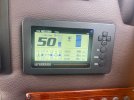
Our primary reason for the ECU upgrade was to improve range. As you can see, our results add a substantial margin (25%). Our secondary reason for the ECU upgrade was to get as much punch out of a four cylinder 200 HP engine on a 7,000# boat. Likely, twin V6 300's will never struggle, but the our little F200 seems less burdened now. Notwithstanding the role prop pitch plays in a boat's performance, our 14.5x13 standard Yamaha prop creates a "happy" cruise at 5,000 rpm where before we needed 5,200. This is subjective, of course, but you can hear/feel when the right RPM meets the right boat speed. In our case, the engine is quieter and the boat seems settled at 5,000 RPM. Notice that at 5,000 RPM we burn less than 10 gph.
5000 RPM.jpeg
 
Last edited:
Back
Top