Anchoring questions

bradf

Active member
Joined
Feb 16, 2021
Messages
34
Fluid Motion Model
C-302 SC
Hull Identification Number
FMLT3130C121
Vessel Name
Ramblin’ Rose
We took delivery of our 2021 R-31 a few months ago and have since put many miles under the keel (including a trip down the Atlantic ICW) and spent many nights at anchorages. The boat is equipped with a 22# Bruce claw-type anchor which holds reasonably well and I don't plan to replace it anytime soon. It has 50' of G4 chain spliced to 200' of nylon rode. I have a couple of questions about anchoring:

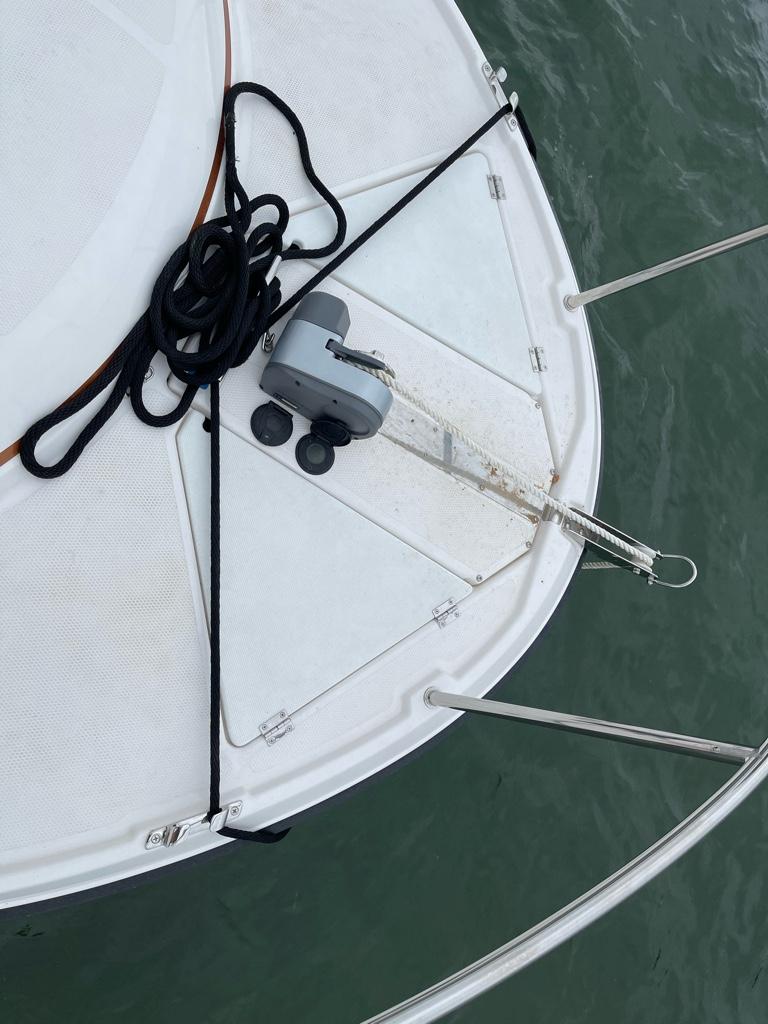
1. Is it advisable to allow the anchor to hang on the windlass while underway? The Lewmar windlass manual recommends that the anchor be secured to take the load of the windlass. Does anybody actually do this? There are other good reasons to secure an anchor while underway.

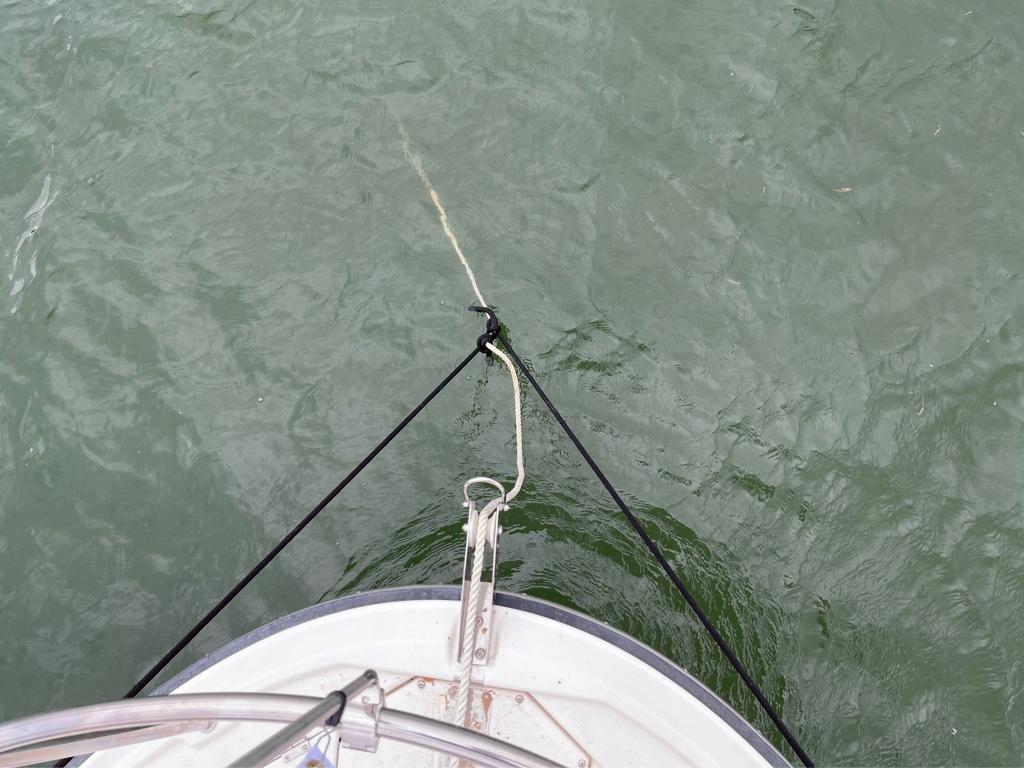
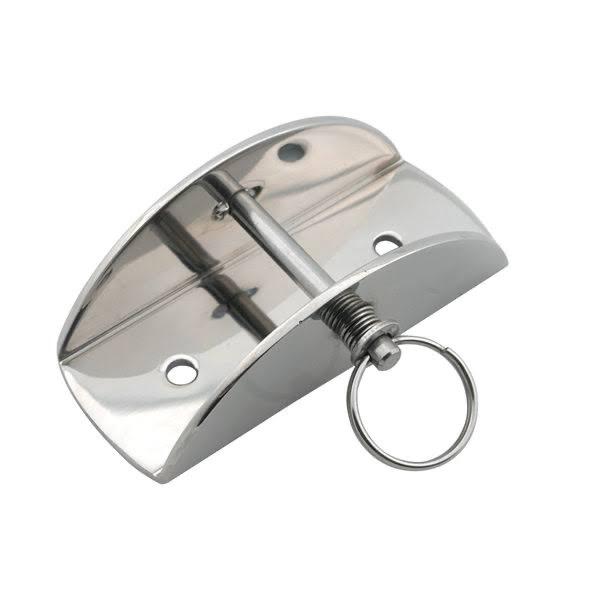
2. The boat swings at anchor and this causes the rode to pop out of the bow roller and chafe on the sharp edges of the bow roller. I rig a snubber to prevent this, but I would not have thought a snubber necessary on a nylon rode (our prior boat had an all chain rode). I'm concerned about the chafing. Are there better ways to manage this? Chafe protection perhaps?

Thanks in advance for your advice.
 
bradf":3oyxdzqb said:
We took delivery of our 2021 R-31 a few months ago and have since put many miles under the keel (including a trip down the Atlantic ICW) and spent many nights at anchorages. The boat is equipped with a 22# Bruce claw-type anchor which holds reasonably well and I don't plan to replace it anytime soon. It has 50' of G4 chain spliced to 200' of nylon rode. I have a couple of questions about anchoring:

1. Is it advisable to allow the anchor to hang on the windlass while underway? The Lewmar windlass manual recommends that the anchor be secured to take the load of the windlass. Does anybody actually do this? There are other good reasons to secure an anchor while underway.

2. The boat swings at anchor and this causes the rode to pop out of the bow roller and chafe on the sharp edges of the bow roller. I rig a snubber to prevent this, but I would not have thought a snubber necessary on a nylon rode (our prior boat had an all chain rode). I'm concerned about the chafing. Are there better ways to manage this? Chafe protection perhaps?

Thanks in advance for your advice.
I went with a Mantus bridle and snubber to attach the bridle to the rode. No chaffing.


Sent from my iPhone using Tapatalk
 
For question #1, yes I do that. I have a short piece of cord with a washer tied on the end. I run it through the end of the shank and tie off to the small cleat on my R29.
 
Different RT models have different bow rollers. The anchor on my 2014 R-29 would definitely bounce around enough in any sort of sea state (or wake) to strain the windlass; so I've been putting a loop through the anchor shackle run back to a cleat. I like the washer idea. It could be faster.
Note that the claw weighs 22#. I replaced it with an anchor that weighs 33#
 
Think in terms of what can go wrong.

Carrying a load, and especially a jerk load on the windlass will create damage over time.

It doesn't happen often, but it can happen that while underway the anchor drops. Imagine all of the possible bad things that can happen then. Its an easy prevention to use short thin line to tie it off and take load off of the windlass.

Ditto on while anchored. One key purpose of using a snubber is to not have load on the windlass at anchor.
 
+1 to all the above. The windless should be used for deployment and retrieval, not for static load underway or (especially) when anchoring.

Mantus makes a small snubber line with a clip that is very nice to hold the anchor when it's up. When anchoring, we use the bow lines to make a bridle. Also recently got a full Mantus bridle but haven't used it yet (and TBH the bow lines are much simpler).

Slightly related, also a good idea to double check that the end of the rode is secured to the boat inside the anchor locker. Just in case! It would truly be a bitter end to see that going through the roller!
 
To secure the anchor while underway and when trailering we use a two carabiners through the anchor to a cleat. Fast, simple and strong.
gallery2.php?g2_itemId=78838
 
Oh, and to the OP question #2, when using a bridle (or ad hoc bow lines as bridle), the lines to the anchor chain or rode would go through the [I'm blanking on the nautical name] antichafe line holders on each side of the bow, not through the anchor roller. They connect to the rode over the side, leading well in front of the boat. So then there would be no chafing related to the roller.
 
a0cd1c7708c6452947a3a405aca0d146.jpg

4d896b23cc9193f96e339a78f22c1af8.jpg


Sent from my iPad using Tapatalk
 
I use an anchor lock that is in-line with the anchor chain.

477312d2e8ac621800de2e47551d484e.jpg


Sent from my iPhone using Tapatalk
 
We use the Mantus snubber and bridle on our R31. Before using the bridle the rode would hop side to side on the stainless roller mount when it was pretty windy.

Easy to tie the anchor to the large center cleat on the 31 then release a slight tension on the windlass. We also have the mantus anchor guard that helps keep the anchor from moving when the windlass is released.

Oh we also really like our Rocna 15. Huge improvement here in the NW.
 
bradf said:
2. The boat swings at anchor and this causes the rode to pop out of the bow roller and chafe on the sharp edges of the bow roller. I rig a snubber to prevent this, but I would not have thought a snubber necessary on a nylon rode (our prior boat had an all chain rode). I'm concerned about the chafing. Are there better ways to manage this? Chafe protection perhaps?

An effective way to prevent this is to add a "bail", a sort of loop across the top of the bow roller. Here's a pic:

https://lh3.googleusercontent.com/pw/AM ... authuser=0
 
[quote

An effective way to prevent this is to add a "bail", a sort of loop across the top of the bow roller. Here's a pic:]


R31 comes with a bail but it doesn’t stop the rode from jumping up off the roller onto the stainless mounting.
 
Thanks so much for the great advice. I really appreciate it.

I've looked at the Mantus bridle. It's expensive and not sure how the chain hook would work on a 3-strand nylon rode. I can fashion a bridle with a couple of bow lines to the rode with a gripping hitch. It's cumbersome but it seems to do the job. When not in use I will definitely be securing the anchor to the cleat from now on.

Fair point about the 33# anchor upgrade. The 22# Bruce does not set as easily as the 44# Bruce we had on our Catalina 38. Size does matter. Is a larger anchor compatible with the existing bow roller or does it require modifications? I read one post where someone upgraded to a Rocna and had to add a metal plate to the bow to protect the bow from getting dinged.

Our bow roller does have a bale, as did our Catalina. I never understood its purpose. It's not effective at keeping the rode from jumping the bow roller while at anchor, maybe to keep the anchor from falling off the boat?
 
When anchored you should tie the rode off to the cleat so there is no pressure on the windless and to avoid line paying out if the windless should clip. I always had a bale on the front of my anchor launch and never had an issue with the rode popping out. When under way and towing I always secure the anchor with a small line and release the windless a tad. This will eliminate pressure on the windless and (it can happen) prevent the anchor from dropping in the event that the windless decides to engage on its own.
 
I realize I'm swimming upstream to say this...but I'm not sure these popular anchor bridle systems are very seamanlike. Here's an example why it presents a problem you can avoid with a single snubber line and rolling hitch. After arriving in Bermuda, we settled into one of the open anchorages there after which some tropical rubbish showed up that shifted the wind 90 degrees and ramped up both wind speed & fetch. Sure enough, the big ketch I thought had anchored to close to us was now fetching right down on top of us, our rode and boat. With the wind howling, bow dancing and something needing to be done NOW, there is only one seamanlike solution: veer more rode.

With a bridle, you have two options: Release the bridle lines, veer more rode, and hope the particular hardware you use to attach bridle to chain stays put PLUS you are now riding to your rode which, if chain, needs a new snubber to avoid shock loading the whole system. Alternatively, you try to winch in your rode enough to disengage the connection of the bridle to the rode. (Think about the load that's putting on the windlass and its motor). That and what then follows to redeploy the bridle are full of opportunities for mischief and potential injury. In our situation, I simply released the 15' nylon snubber line from the deck cleat, veered more rode while watching the snubber zip over the bow roller while still attached at its other end by its rolling hitch, and then fastened a 2nd nylon snubber line to the chain in front of the windlass before veering some additional chain for the snubber to take up the load. Snubber #1 is retrieved later when you up-anchor.

I used to use a chain hook of different designs, linking to a thimble that fed bridle lines back to the fairleads and deck cleats. And a bridle does settle the boat some, to be sure. I'll see how much my opinion shifts when we start anchoring our Cutwater 248, our very first powerboat. But I'd accept some veering on the hook for a better option when things go south in a blow. I notice Elvin Ray used to use 2 rolling hitches on his nylon rode as a bridle, which allows one to release and veer quickly. But if the C248 comes with 50' of chain, I would much rather spend money on a longer chain rode before I pay for one of these expensive bridle systems. A longer chain rode settles the boat some too.
 
I installed this tensioner as a part of my system upgrade. Works really well at holding the anchor against the stop while underway or trailering.

https://a.co/d/3cRaedv


Sent from my iPhone using Tapatalk
 
Back
Top