Why has Ranger Tugs, and I think other Boat manufactures, switched to OB as compared to IB?
Is it the cost of IB vs OB? Is it the perceived higher maintenance costs of IB? Is it the improvements in OBs overall performance and reliability?
Probably a question best answered by Ranger Tug representatives, but I'll still offer my thoughts. Yes, the modern electronic fuel injected four stroke outboards have proven themselves to be far superior to the older outboards, so it's not the same comparison that builders were making 15 years ago. Customers want to go faster, and the outboard with planing hulls do that in a way that's harder with an inboard diesel. Up to 31' these are easily trailer-able boats, so the lighter weight of the outboards make sense. The cost of repower is less, and the labor involved in a repower significantly less. As you mentioned the dry storage option of the outboard is more practical, although plenty of places can still rack store the inboards they just need deeper bunks for the keel.
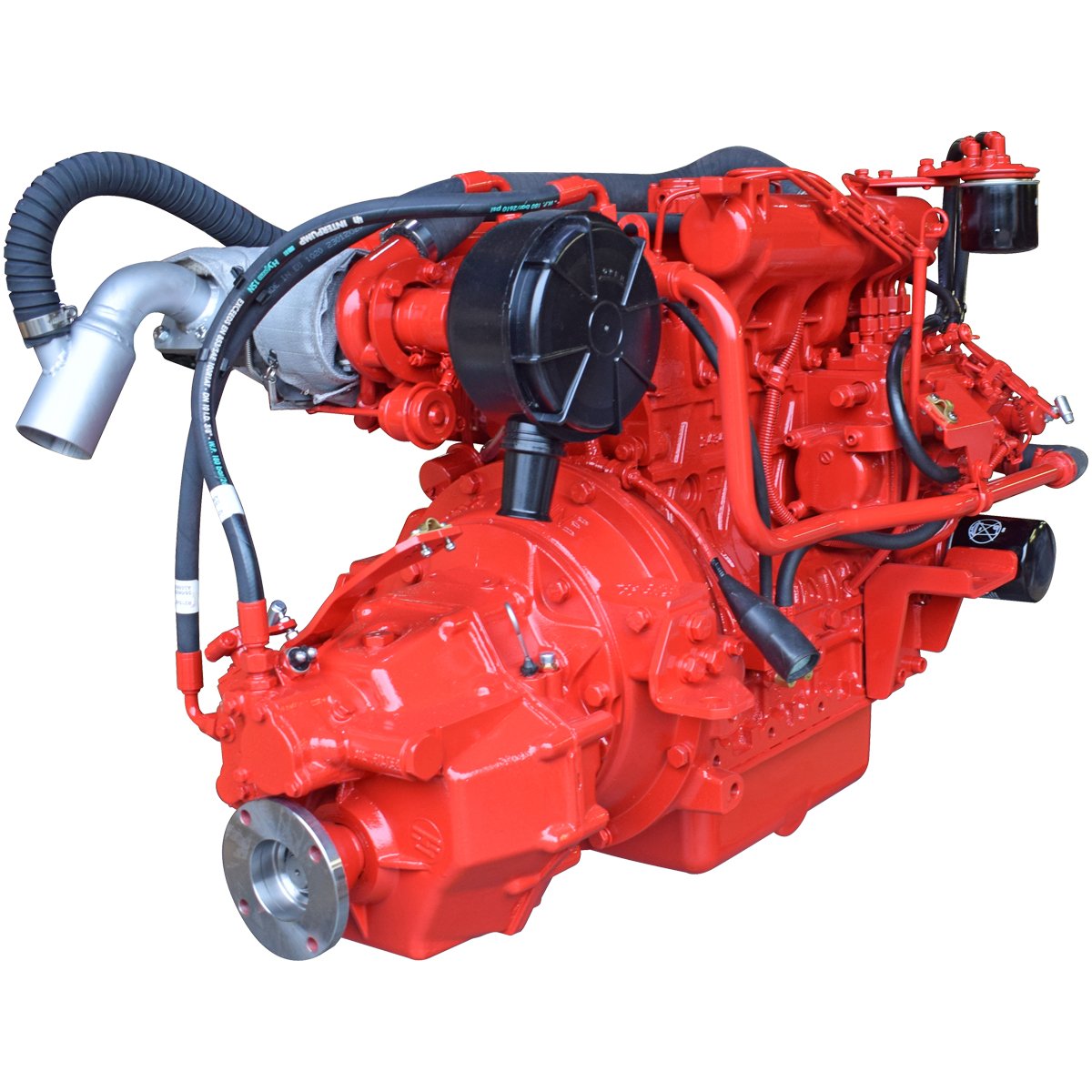
The early inboard diesel boats, which I have and love, are more of a 'downeast' style and a hybrid between the slow trawler and faster cruising boat. Advantages: improved fuel efficiency and reliability. Drawbacks: slower and more difficult to do the maintenance because the engines are crammed in a tight space, as well as slightly deeper draft.
I don't think the outboards are less maintenance, but it's easier to do the maintenance.
One of the most asked questions is "how many hours will the engine last?" As a surveyor I've learned that hours mean very little relative to the maintenance done and the efforts to keep corrosion at bay. Sure, diesels can run 10,000 to 15,000 hours easily and they do all the time in commercial operations but on recreational boats they often die after a few thousand hours, which may take 30 years to put on. Outboards are lasting 1500-2000 hours regularly now (the old 2 strokes had an average lifespan of about 500 hours), so about 20 years the way the average boater uses their boat. That's plenty, then swap it out. Why spend the extra money for a diesel engine that won't live to see it's full potential? (that's the thinking, anyway)
It's not just Fluid Motion, most other builders like Formula, Pursuit, etc. are going away from the inboards and I/O's and moving to outboards. The customers seem to want it, but that also puts a floor under the resale value of the inboard diesel boats because you can't get them anymore. We're seeing boats with outboards up to 50, 60 feet now which is something that was unheard of 20 years ago. Outboards also allows joystick controls without having to install complicated/high maintenance pod drives on your inboard diesels.